The Cultural Compass: Navigating the Five Roads of Organizational Transition
Feb 1, 2026
Back again this week with another Campfire stories, we’re looking at the compass you use to navigate change. Not every course correction requires a completely new map; sometimes it’s simply a matter of taking a closer look at the map you already have. Let’s dive right in.
You're probably closely involved with your HR department. Either you're in it, or you work with them so you likely hear the call for "culture change" more often than you’d like. But in our experience, the word "change" is often too broad and therefore exhausting. When we treat every shift as a radical transformation, we needlessly burn out our teams. The most effective leaders know that nuance is their greatest ally. They determine exactly which type of transition is needed before they ever set a strategy in motion.
Find your anchor
We often speak about the soul of the organization. You can see this as a symbolic anchor: the foundation that carries the group's identity. This anchor resides in your founding story, the values being upheld, your unique way of solving problems, and your reputation in the market.
To move your organization forward, you must first determine the state of that anchor. Does it need to be forged from scratch, or does it simply need to be brought down from the attic and dusted off?
The five roads to transition
(Source: Totem Model of Five types of cultural transitions - Braun & Kramer)
Transitions are not one-size-fits-all. By recognizing which road you are on, you choose the right leadership style and the tools that truly make an impact:
Cultural Creation: You are in the energetic pioneer phase. Your focus is on converting dreams and passion into sustainable systems and behavior.
Cultural Continuity: The organization is running at full speed. Your task is to guard and broadcast the "secret sauce" so that the strong culture doesn't dilute during growth.
Cultural Reorientation: You’ve become entangled in procedures, and the "why" has been lost from sight. It’s time to dismantle the bureaucracy and return to the original intent.
Cultural Healing: There is dysfunction or "sickness" in the team. This requires targeted interventions to restore what has been damaged.
Cultural Transformation: The market has changed or a merger is imminent. The old way of working no longer fits; you need a fundamentally new anchor.
Honor the journey
A common leadership pitfall is being too lighthearted about the "old" way of doing things. Even if you are moving toward a radical transformation, you cannot simply throw away old logos and habits and expect everyone to follow immediately. Real transition requires attention to history. By engaging in a dialogue about what was, what is, and what we desire for the future, you ensure that the soul of the organization moves with you into the new reality.
CinderMonkey’s Monthly Two’s
Two Insights
Diagnosis is the first step: Simply asking the "anchor question" to your team already starts the change process because it forces people to assign meaning to their daily work again.
Nuance and understanding prevent resistance: By labeling a change for what it is, instead of just throwing in a "transformation" buzzword, you signal that you value what has already been built. This significantly lowers the resistance threshold for employees, even if they don't tell you.
Two Questions
Metaphors work wonders: if your organization's culture were a tangible object, what object would it be? And does it meet expectations, or does it need to be repaired?
Which of the five transition types best describes the "vibe" in your organization right now?
One Anecdote from the Field
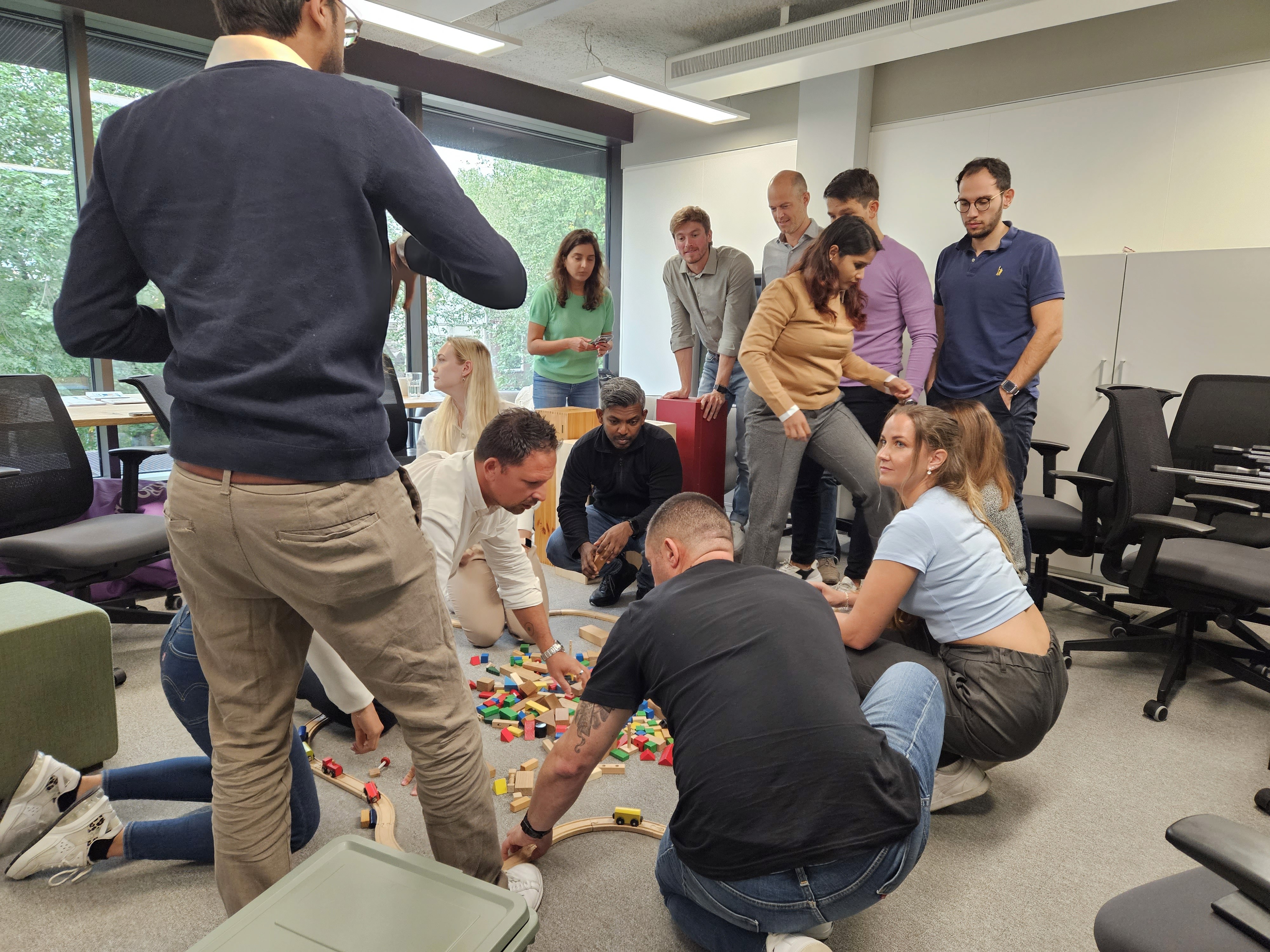
The Throne change and it's impact; We are currently working with a family business where the new generation has taken the helm. The "old guard" saw the new course as a direct threat to their pleasant, informal way of working. "We're fine the way we are, right?" was the common sentiment. However, the new management knew they needed a Cultural Transformation to remain competitive for the next five years and attract new talent. Instead of simply "sawing down" the old regime, we chose an approach where the founder's spirit was given a place of honor in the new story. By taking the fear of loss seriously and guiding the uncertainty of the "in-between," the team is now making the transition to a modern culture without losing their soul.
Ready to discover which path your organization truly needs? Do you feel that a movement is necessary, but want to prevent your team from stalling in change fatigue? Let’s put the map on the table. During a short discovery call, we will determine which of the five transition paths will have the most impact for your team. Together, we can build a culture that doesn't just work now but remains the soul of your company for the next five years.
Highlights
The Power of Nuance: Not every "culture change" needs to be a total overhaul; choosing the wrong type of transition often leads to unnecessary friction and change fatigue.
The Cultural Anchor: Every organization has a "North Star" or anchor, a core set of values and stories, and how you handle this anchor determines the success of your movement.
A Diagnostic Map: Transitions fall into five distinct categories: Creation, Continuity, Reorientation, Healing, and Transformation.
Respecting the Past: You cannot build a new future by simply tossing the old one in the trash; successful change requires honoring the history that brought the team here.
Dialogue as a Compass: The most effective way to start a transition is to jointly explore what is already there and whether its current state is up to par.