Some leadership teams are struggling. Some are succeeding and know they're still leaving something on the table.
Both of them end up here.
CinderMonkey works with leaders at both ends of that spectrum, and everyone in between. Two routes in. The right one depends on where the work actually needs to happen.
Every organisation is a tribe with its own dynamics, its own unspoken rules, its own instincts about how things get done. And at the centre of all of it, shaping the culture, setting the tone, modelling what's acceptable and what isn't, are the leaders.
Not your strategy. Not your decisions. You. How you show up under pressure. Whether you can hold a hard conversation without flinching. Whether the people around you feel safe enough to say the true thing, or spend their energy managing upwards instead.
That's the thing nobody puts in a leadership competency framework. And it's the thing that determines whether everything else works. We've worked with leaders who are technically exceptional and quietly exhausted. Leaders whose teams perform but don't believe in anything. Leaders who were promoted for what they could do, and are now struggling with who they need to become.
The root is almost always the same. And it's almost always personal before it's organisational.

Every organisation is a tribe with its own dynamics, its own unspoken rules, its own instincts about how things get done. And at the centre of all of it, shaping the culture, setting the tone, modelling what's acceptable and what isn't, are the leaders.
Not your strategy. Not your decisions. You. How you show up under pressure. Whether you can hold a hard conversation without flinching. Whether the people around you feel safe enough to say the true thing, or spend their energy managing upwards instead.
That's the thing nobody puts in a leadership competency framework. And it's the thing that determines whether everything else works. We've worked with leaders who are technically exceptional and quietly exhausted. Leaders whose teams perform but don't believe in anything. Leaders who were promoted for what they could do, and are now struggling with who they need to become.
The root is almost always the same. And it's almost always personal before it's organisational.
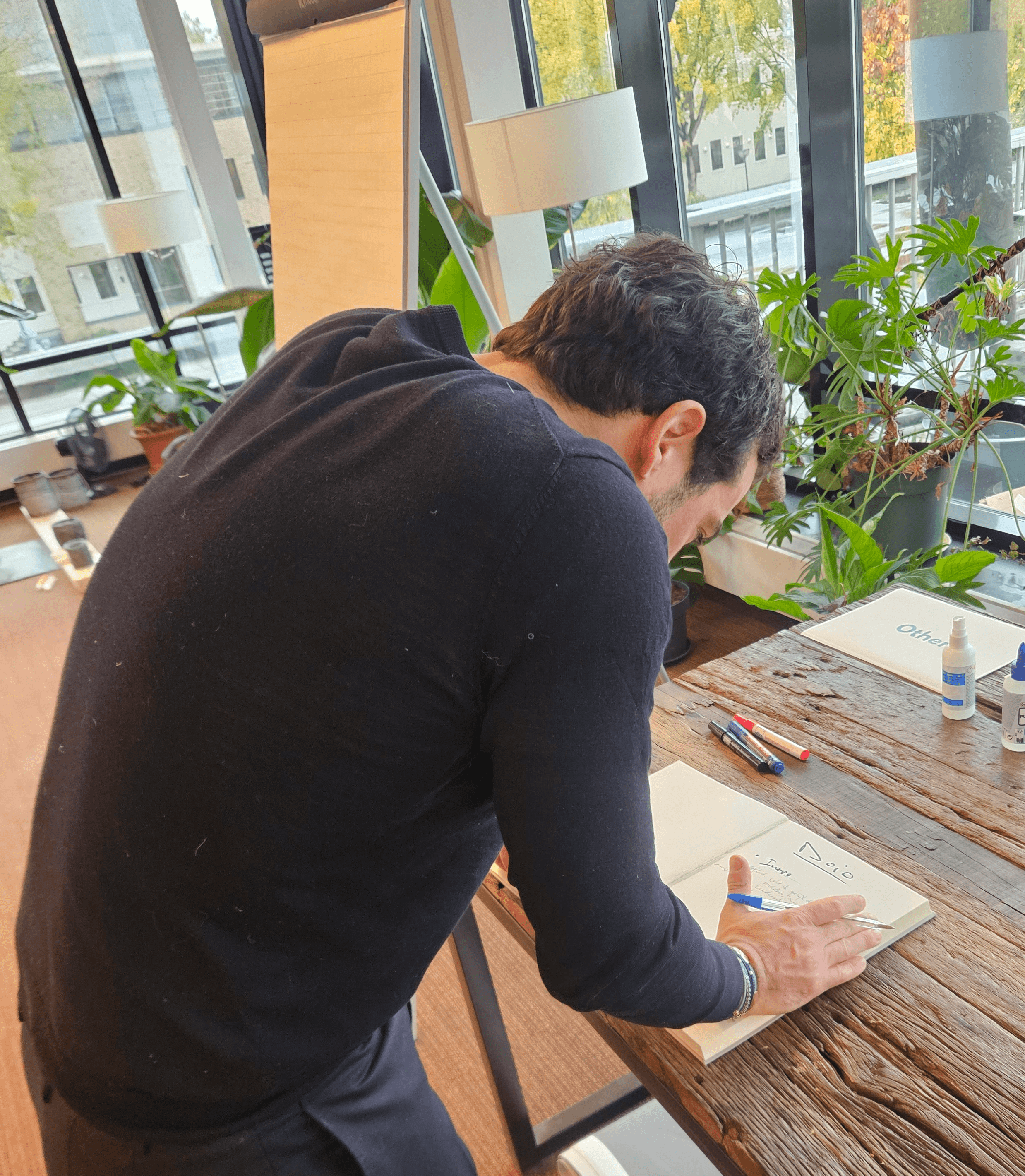
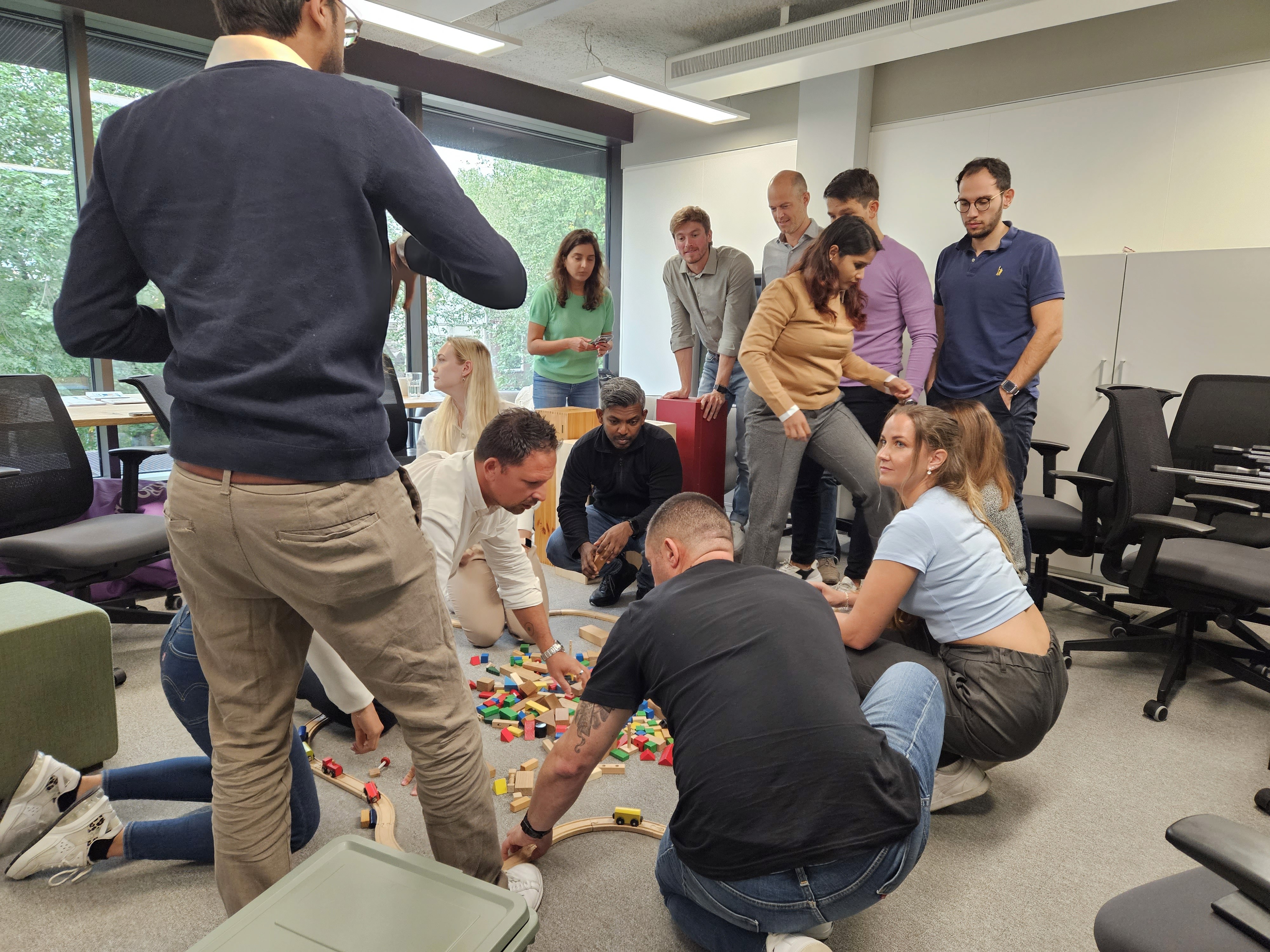
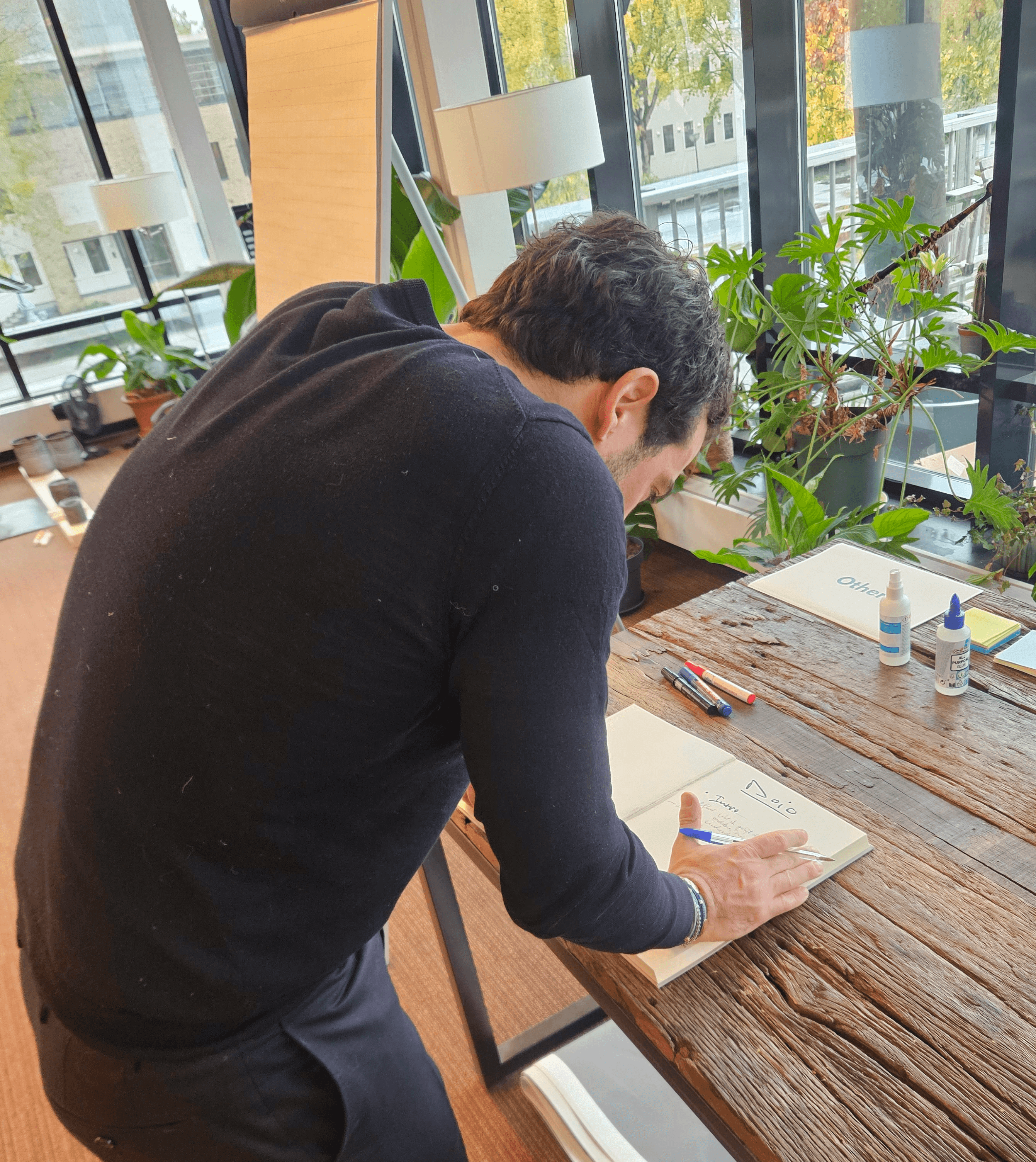
If the gap lives in you, in how you regulate under pressure, how your decisions land, how grounded you are when things get hard, that's the personal path.
If the gap lives in your team or organisation, in how leadership shows up collectively, what culture is actually being built, where the friction is costing you people and momentum, that's another.
We could tell you what the impact is, but we rather have you hear it from people who've experienced it
Ildikó Meertens
Head of Capacity management at Bol.
Well-prepared; listened well to needs throughout; adapted where necessary; critical and guiding during the reflections and assignments. I look back with satisfaction; had great educational days! Thanks, Hylke.
Michael Vree
Security at Medical Centre
Stepping into a leadership program that i didn't voluntarily signed up for made me very hesitant to open up. Having a trainer who understood my background and my current job struggles really made me feel at home. I'm super grateful for the journey that we went on and impressed by the clarity the trainer brought. Thank you!

Olivier de Waal
Owner at Van Harnas naar Mens
I experienced Hylke as a facilitator during the three-day 'Facilitator Initiation' workshop. The way he shows up demonstrates that he doesn't just do this work, but lives it. He accurately senses what is needed in the moment and, in doing so, brings out the best in me. He knows what he is talking about, but can make just as much impact without words. A wonderful experience!
Serge de Guijter
Team lead Danone
The leadership sessions have helped me gain more insight into my underlying motivations and the behavior that stems from them. By listening carefully, asking targeted questions, and challenging in a respectful manner, he knows how to create an environment in which you arrive at valuable insights. His approach is professional and effective.
Michiel Veth
MC Gelderlandplein
Starting our leadership journey with Cinder Monkey marked a crucial turning point for our management team. Within seven months, we engaged in a transformative process of connection and alignment, gaining profound insights into our purpose, roles, and goals. Guiding us in refining our business strategy and gearing up for growth, providing an essential experience.

Naoual Ammi
Projectmanager
I attended a leadership program led by Hylke and found it inspiring and insightful. He guides in a calm and clear manner, yet at the same time delves surprisingly deep. Hylke knows how to get you thinking about your own role, your way of working, and what is really going on within an organization or team. He creates a safe setting in which participants feel free to explore and share.
Margot ten Bok
Advisor Dutch National Police
Combining theoretical knowledge and practical application in their leadership style. As someone with a background in business, I can attest to their ability to positively motivate and support the team. They excels in understanding workplace dynamics and solving complex problems effectively.
One for the leader who needs to start with themselves, how they regulate, how they show up when it's hard, how they lead when the version of themselves they planned to be doesn't show up that day. One for the organisation that's ready to look honestly at what its leadership is actually building, and do something real about it. Different starting points. The same belief underneath both of them: that the distance between where you are and where you could be is smaller than you think.
Two paths: One for the leader who needs to start with themselves, how they regulate, how they show up when it's hard, how they lead when the version of themselves they planned to be doesn't show up that day. One for the organisation that's ready to look honestly at what its leadership is actually building, and do something real about it. Different starting points. The same belief underneath both of them: that the distance between where you are and where you could be is smaller than you think.