Your Company Has Two Cultures. Here’s How to See Both of Them.
28 mrt 2026
On emic and etic perspectives in organisational culture — and why the gap between them is where most of your problems are hiding.
Okay bear with us for a second because this story is too good not to tell. In 1956, a professor named Horace Miner published a paper in the American Anthropologist about a North American tribe called the Nacirema. He described their body rituals in vivid, slightly horrified detail, a daily ceremony where family members enter a small shrine in their home, bow before a sacred chest filled with magical potions, and perform a mouth-rite involving strange threads and powders that they shove into their face. They also regularly visit a “holy mouth-man” who uses painful instruments to bore holes into their teeth. Even when the teeth get worse, they keep going back. The whole thing reads like an account of some deeply bizarre, faraway people.
Plot twist: “Nacirema” is “American” spelled backwards 😅 Miner was describing brushing your teeth, going to the dentist, and opening your medicine cabinet. Everyday rituals, made to look completely foreign through the eyes of an outsider. (The paper caused genuine outrage when it was published. People were upset about these “barbaric rituals” before realising they were reading about themselves.)
Why are we telling you this? Because that little trick contains one of the most useful ideas we’ve come across in our work with organisational culture and leadership. It’s called the emic-etic distinction, and honestly, once you get it, you’ll never look at your company culture the same way again.
So what are emic and etic exactly?
The terms come from linguistics. A guy named Kenneth Pike coined them in 1954, borrowing from phonemic (how a specific language uses sounds internally, from within) and phonetic (a universal system for analysing sounds across all languages, from the outside). His big insight was: this same distinction, the view from inside versus the view from outside, applies to any human behaviour. Not just language. Culture, rituals, organisations, you name it.
Anthropologists picked it up in the 1960s and ran with it. In corporate anthropology, which is the lens we use at CinderMonkey, it works like this. The emic perspective is how people inside the culture experience and make sense of their own world. Their words, their logic, their unwritten rules. The etic perspective is what a trained observer sees from the outside, patterns, power dynamics, and structures that people on the inside can’t always see because, well, they’re swimming in it. Danielle Braun and Jitske Kramer put it nicely in The Corporate Tribe: the real strength of anthropology lies in the continuous switching between these two perspectives. One without the other? Half a picture, at best.
What emic looks like inside your organisation
Here’s something we run into constantly. A company has a clear, documented process for how decisions get approved. There’s a workflow, maybe even a whole digital system for it. Looks great on paper. And yet.. everyone on the floor knows that the real approval happens in a five-minute hallway conversation with one particular manager. The official process exists, people follow it, but the actual power dynamic lives somewhere else entirely. If you asked that manager, they’d probably shrug and say “people just come to me with questions.” If you asked leadership, they’d point at the workflow and assume it’s working. Nobody is lying here. They’re just experiencing different realities of the same organisation. That happens way more often than you’d think.
Second example. We were talking to teams at a mid-sized tech company and kept hearing the same phrase: “we’re a flat organisation.” Leadership said it. HR said it. The careers page said it. Even the office design communicated it. But when we actually sat with people across different levels, what we found was that there were very clear, very real hierarchies — they just weren’t based on job titles. They were based on proximity to the founders, length of tenure, and who had survived the company’s roughest year together. There was this unspoken agreement about who could challenge an idea in a meeting and who should probably wait for the room to settle first before speaking up. The people living it knew exactly how the social order worked, they just didn’t have any language for it. And it definitely wasn’t written down anywhere. That’s emic knowledge. Rich, real, completely invisible to anyone looking from the outside.
❗ Side note: in every organisation people know things about how the place actually works that aren’t in any policy document. They know which meetings matter and which ones are theatre. They know what you’re “allowed” to want from your career there. And they know what topics never get raised out loud, even when everyone in the room is thinking about them. In Dutch there’s a great word for the informal routes that form alongside official paths: olifantenpaadjes — elephant paths. Everyone walks them. Nobody mapped them.
What etic looks like, and why leaders need it
The etic perspective is what someone from outside with trained eyes brings to the table. And it catches things that people on the inside genuinely cannot see. Not because they’re not smart, but because they’re too embedded in the system to notice the water they’re swimming in. (That’s kind of the whole point of the Nacirema story — you don’t see your own rituals as rituals until someone describes them back to you.)
Result: one group dominated every conversation while the other went quiet and then made their own decisions in the corridor afterwards. The “cultural differences” everyone was referring to were actually two tribal systems with incompatible norms for how status and power get expressed in a room. You need the etic lens to name that. Because from the inside, both sides genuinley felt like they were being completely reasonable.
The planned organisation vs. the lived organisation
Braun and Kramer make a distinction in The Corporate Tribe that we think about a lot in our culture change work: the planned organisation and the lived organisation. The planned one exists on paper: strategies, KPIs, mission statements, org charts, the works. The lived one exists in stories, emotions, relationships, and the hallway conversations that happen the moment the meeting ends. Two different worlds, both real, each with their own language. And the tension between them? Always there. Always.
We were doing a Rootdigging Reset for a mid-sized tech company that prided itself on being “completely flat.” No hierarchy, open doors, everyone equal. The leadership team genuinely believed this. The careers page said it and the office layout screamed it(echoooo) And when we started talking to people across different levels.. a completely different picture emerged.
There was a very real, very clear social order, just not based on job titles. It was based on who was close to the founders, who’d survived the toughest year, and who had enough social capital to challenge an idea in a meeting without consequences. Everyone on the floor knew exactly how it worked. Nobody had ever named it. And leadership had absolutely no idea it existed.
Once we surfaced it, using deep democracy to make the invisible ranking visible, the relief in the room was almost physical. People weren’t angry about the hierarchy. They were exhausted from pretending it wasn’t there. The “flatness” wasn’t the culture. It was the story the culture was telling about itself. Classic emic-etic gap.
In our experience, the gap between these two is almost always bigger than leadership expects. And that’s not because leadership is out of touch per se, but because they’re getting the emic view from the top. Which is usually the more optimistic version. The emic view from the floor? That one tends to sound quite different. When you layer the etic perspective on top of both, that’s when you get the clearest picture of what’s actually going on. And that picture is where the real culture diagnosis starts.
Okay so what do you do with this as a leader?
Accept that your position shapes what you hear:
People calibrate what they say based on who’s listening. That’s not dishonesty, it’s just human behaviour. Your team is not lying to you, they’re just giving you the version of reality that feels safe to share upward. The question worth sitting with: how wide is the gap between what you’re hearing and what people are actually experiencing day to day?
Value the emic knowledge that exists at every level:
The person who’s been on the floor for eight years knows things about how the place actually runs that no dashboard will ever show you. Those elephant paths, the informal routes people take every single day, are worth understanding before you try to redesign the map. Because if you redesign the map without understanding the paths, people will just create new ones around your new structure. (We see this happen.. a lot.)
Bring in the etic perspective. The real kind:
And by that we don’t mean a consultant who shows up with a predetermined framework and goes looking for data to back it up. We mean someone who’s willing to sit with complexity, observe what’s actually happening, and name the patterns without immediately jumping to solutions. In the anthropological tradition, the observer doesn’t start with a hypothesis or a questionnaire. They start by watching. Listening. Slowly building a picture from the ground up. That kind of patience in a corporate setting is rare. It’s also the thing that makes the difference between a culture diagnosis that actually sticks and one that just confirms what leadership already believed.
The Nacirema story is still taught to every first-year anthropology student because it lands a point that never gets old: the way you describe something depends entirely on where you’re standing when you look at it. Your organisation has its own body rituals, its own sacred shrines, its own mouth-men. The question is wether you’re willing to see them for what they are, from both sides.
That’s where we start. Every time.

Two Insights
The Planned vs. the Lived: Every organisation runs on two operating systems simultaneously: the one on paper and the one that actually governs how people behave. Strategy only works when it’s built on the lived version, not the planned one.
Emic Knowledge Is Untapped Intelligence: The informal knowledge that lives on your floor; who really holds influence, which processes people quietly work around, what topics never get raised; is some of the most valuable data in your organisation. And it’s almost never captured in any formal system.
Two Questions
If you asked your leadership team to describe the company culture in three words, and then asked the same question to someone who’s been on the floor for five years, how different do you think those answers would be?
What’s one topic in your organisation that everyone thinks about but nobody raises out loud? And what would it take to make that conversation possible?
One Anecdote from the Field
The Flat Organisation, That Wasn’t
We were doing a Rootdigging Reset for a mid-sized tech company that prided itself on being “completely flat.” No hierarchy, open doors, everyone equal. The leadership team genuinely believed this. The careers page said it and the office layout screamed it(echoooo) And when we started talking to people across different levels.. a completely different picture emerged.
There was a very real, very clear social order, just not based on job titles. It was based on who was close to the founders, who’d survived the toughest year, and who had enough social capital to challenge an idea in a meeting without consequences. Everyone on the floor knew exactly how it worked. Nobody had ever named it. And leadership had absolutely no idea it existed.
Once we surfaced it, using deep democracy to make the invisible ranking visible, the relief in the room was almost physical. People weren’t angry about the hierarchy. They were exhausted from pretending it wasn’t there. The “flatness” wasn’t the culture. It was the story the culture was telling about itself. Classic emic-etic gap.
Curious what the gap between the planned and the lived organisation looks like in your company? Wondering what your team knows about how the place really works that hasn’t surfaced yet? That’s exactly what a Rootdigging Reset is designed to uncover, in one intensive day, using deep democracy and our 7 Questions for Change, we surface the emic layer that’s been hiding in plain sight and give you the etic perspective you need to actually act on it.
Let’s find out what’s underneath. During a short, free discovery call, we’ll explore what both lenses reveal about your specific situation, and wether a Rootdigging Reset is the right place to start.
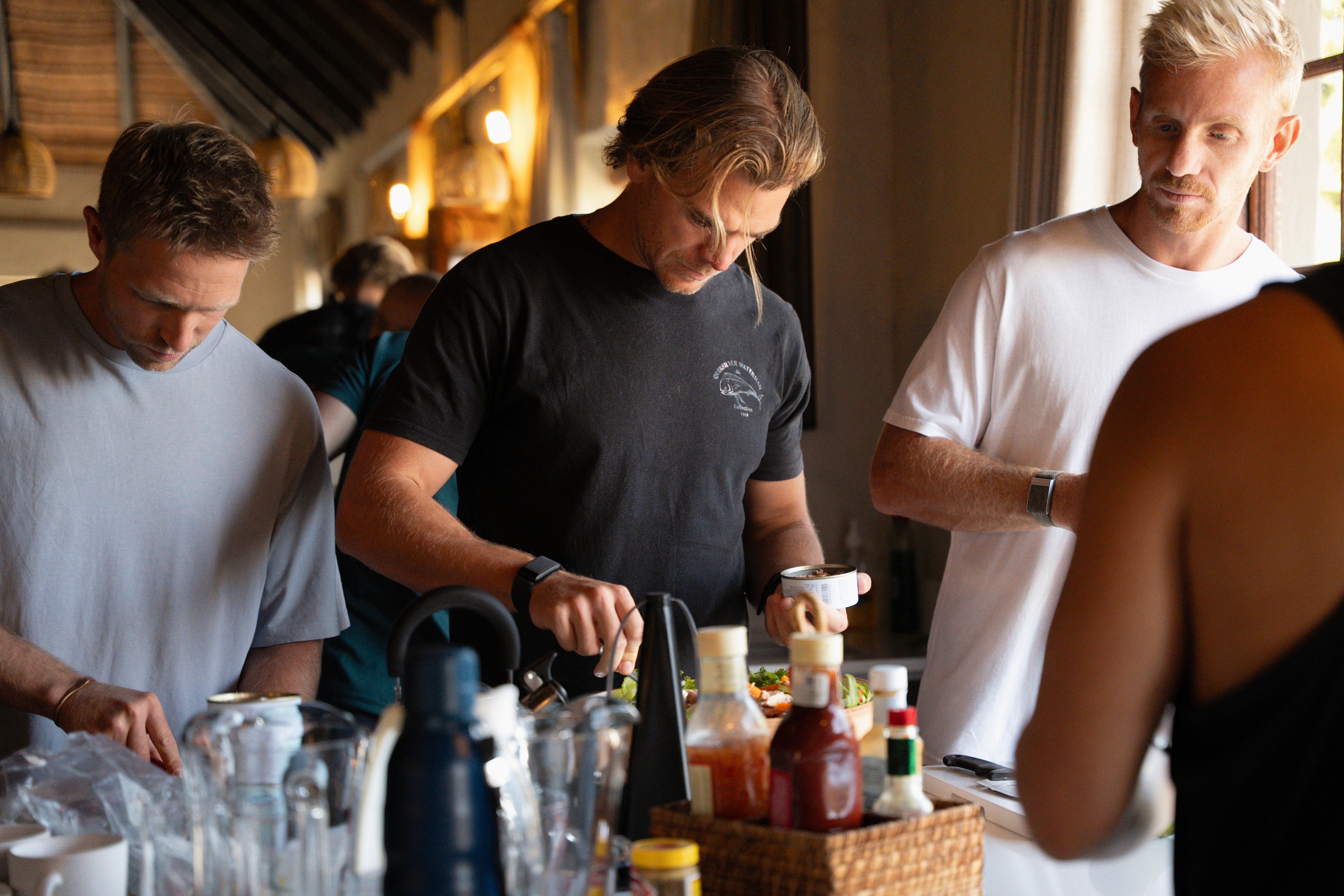
Your Company Has Two Cultures: The one leadership talks about in town halls and the one people actually live in on a Tuesday afternoon. Both are real. Both have their own logic. The distance between them is where most organisational problems are hiding.
Emic = The Insider’s Reality: Every organisation is full of unwritten rules, informal hierarchies, and elephant paths that everyone walks but nobody mapped. This knowledge is rich, real, and almost completely invisible to outsiders.
Etic = What the Outsider Catches: A trained observer sees patterns that people on the inside can’t, because they’re too embedded in the system. The “stress” that turns out to be an informal power structure. The “cultural differences” that are actually two tribal conflict systems clashing.
The Gap Is Always Bigger Than You Think: Leadership gets the emic view from the top, which is usually the optimistic version. The emic view from the floor sounds quite different. Layering the etic perspective on top of both is where the real culture diagnosis starts.
Elephant Paths Before Org Charts: Before you redesign the map, understand the informal routes people are already taking. If you don’t, they’ll just create new workarounds around your new structure. Every time.
Braun, D. & Kramer, J. — The Corporate Tribe: Organizational Lessons from Anthropology
Pike, K.L. (1954) — Language in Relation to a Unified Theory of the Structure of Human Behavior
Miner, H. (1956) — “Body Ritual Among the Nacirema” — American Anthropologist, 58(3), pp. 503-507